 Sound of Sweden
Rain, Waves, Forest, or Waterfall — Which Sound Helps You Sleep?
Rain, ocean waves, forest, and waterfall recordings all work as sleep sound, but they're not interchangeable. Here's how to pick based on what actually keeps you awake.
All four of these work on the same basic principle — a steady, broadband sound that raises the threshold for what counts as "worth waking up for." But they're not the same sound with different names slapped on, and picking the one that suits how you actually sleep makes a real difference.
Rain — the safest default
Rain is the closest thing to a universal recommendation: textured enough to stay interesting, even enough not to demand attention, and familiar to almost everyone. If you don't know which to try first, start here.

Use this: Rain Sounds for Sleep — 10 Hours
Ten hours of rain against a window — the classic, textured version for falling asleep fast or unwinding through a full night.
▶ Watch on YouTubeWaves — for a slower, rolling rhythm
Ocean waves move in a slower cycle than rain — a rise and fall roughly every few seconds rather than a constant patter. Some people find that slower rhythm more hypnotic; others find the gap between waves gives their mind room to wander. Worth trying if rain feels too busy.
Forest — when you want texture without a "sound effect" feeling
A forest recording layers wind, distant birds, and shifting branches — less mechanically even than rain or waves, more like actually being somewhere. If pure white-noise recordings feel too synthetic or repetitive to you, this is usually the fix.
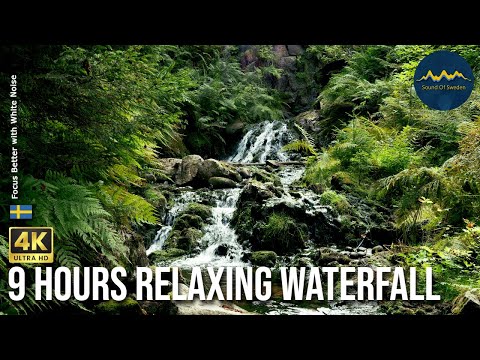
Waterfall — the deepest, most masking option
Waterfall recordings carry more low-end weight than the others, which makes them the strongest choice if you're trying to mask real background noise — traffic, a snoring partner, thin walls — rather than just easing into sleep in an already-quiet room.
How to actually decide
If you're not sure, go in this order: try rain first for a few nights. If it feels too flat, move to forest. If you need something to actively cover other noise in the room, jump straight to waterfall. Waves are worth a try if you specifically find slower rhythms more calming than steady ones — that's a personal preference more than a rule.
Frequently asked questions
- Which white noise is best for sleep — rain, waves, forest, or waterfall?
- Rain is the safest default — textured but not demanding. Waves suit people who prefer a slower, rolling rhythm. Forest works well if pure white noise feels synthetic. Waterfall is the deepest option, best for masking real background noise like traffic or a snoring partner.
- What should I try first?
- Start with rain for a few nights. If it feels too flat, move to forest. If you need to actively cover other noise in the room, jump straight to waterfall.